

Buy a Used Car the Right Way
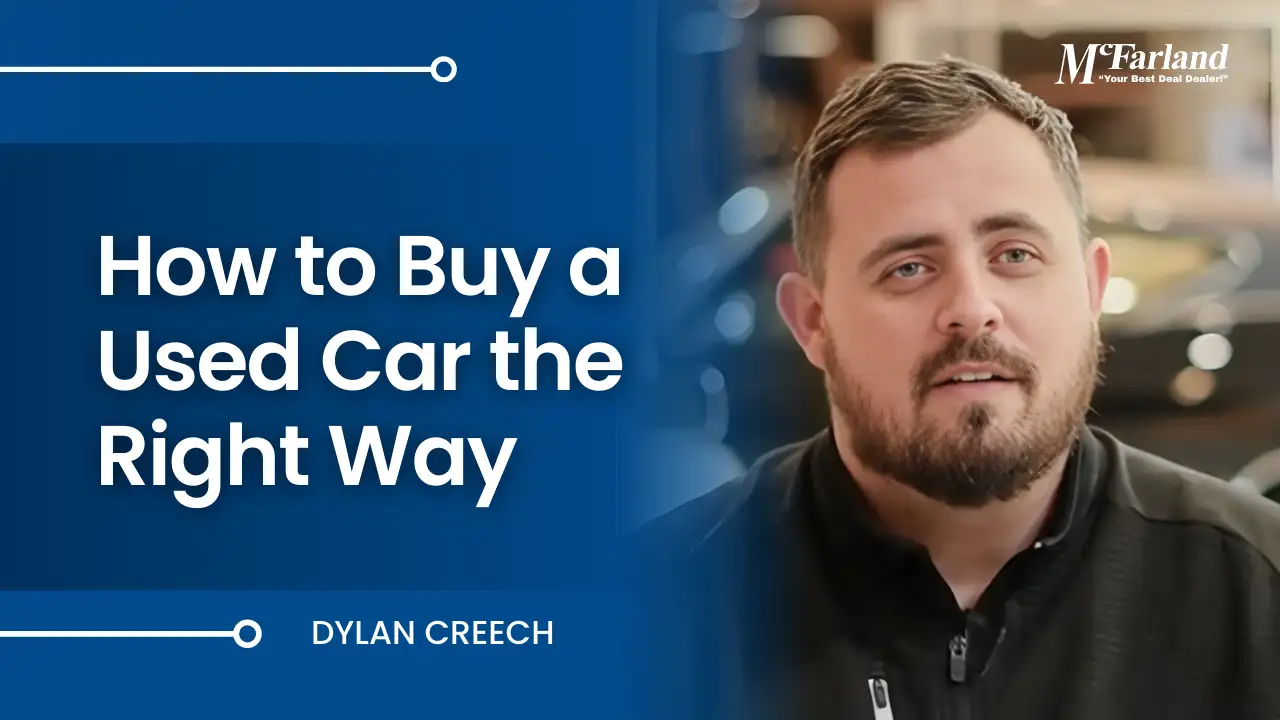
Buying a used car requires more than comparing prices. Dylan Creech explains why reconditioning quality, service history, and straight talk matter more than chasing the cheapest deal. His rule of thumb: if a vehicle needs brakes, tires, or even a transmission, fix it the right way before it hits the lot no band-aids. He leans heavily on Carfax and maintenance records to confirm how a car was treated and flags red signs like multiple owners in a single year. The right dealer also shows the work order and inspection results instead of hiding behind a low sticker price. Use this guide to evaluate condition first, price second, and choose a store that stands behind the vehicle long after delivery.
Key Points

Reconditioning matters
Good stores inspect and then actually repair what needs attention brakes, tires, even transmissions so the car is retail-ready, not duct-taped.


History beats mileage
A clean Carfax and consistent service records tell a more truthful story than odometer alone; multiple owners in a short span is a red flag.

Cheap cars cost more
The lowest sticker means little if you’re paying for repairs in five or six months; pay for condition and care.

Transparency builds trust
Ask what the dealer found and fixed. If they won’t show inspection and repair records, they may not have done the work.
“I would rather pay more for a car that I know has been well took care of and well maintained than get the cheapest deal out there… We’re not trying to duct tape it together. We’re putting a new transmission in it because we want to sell a good product.”
Used Isn’t “Cheap”—It’s Complex
New-car shopping is mostly about price because the vehicle should be perfect on day one. Used-car shopping has more variables: who owned it, how it was maintained, and whether the seller truly reconditioned it or just rushed it to the front line. Dylan Creech’s advice is to slow down, gather facts, and pay for condition rather than chasing the smallest number on a window sticker. A slightly higher price on a properly prepared car almost always costs less over the first year than a bargain that needs work.
Reconditioning Matters More Than You Think
Inspection alone isn’t enough; action is what protects you. Dylan’s standard is simple: if a car needs brakes, it gets brakes; if it needs tires, it gets tires; and if a transmission shows issues, it gets replaced not patched. That approach costs the dealership more up front but prevents you from inheriting someone else’s problems. Ask any seller what they fixed to make the car retail-ready, and listen for specifics rather than vague assurances.
History Beats Mileage
Mileage is a data point, not a verdict. A 50,000-mile car with excellent service records and one long-term owner can be a safer bet than a lower-mile car that has bounced between two or three owners in a year. Dylan flags rapid ownership changes as a sign that multiple people tried the car and bailed a clue to investigate deeper. Prioritize vehicles with documented maintenance and predictable mileage progression on the report.
Transparency Builds Trust (and Saves Money)
The right question on the lot isn’t “What’s your best price?” It’s “What did you find and what did you fix?” Dylan says any 50,000-mile used car should have had meaningful reconditioning fluids, filters, wear items, maybe $1,500–$2,000 in parts and labor. If a seller can’t or won’t show you the inspection and work order, assume the work didn’t happen and price your risk accordingly. Paying for proven reconditioning now often beats paying for surprise repairs later.
What Smart Buyers Ask on the Lot
Use these prompts to separate retail-ready vehicles from risky ones: What did your inspection include? What parts did you replace? Who performed the work? Can I see the Carfax and service invoices? What warranty support do you offer if something pops up in the first months? Stores that do the right work are proud to show their process. Stores that don’t will pivot back to price and pressure. Choose the evidence, not the pitch.
FAQs
Why is reconditioning such a big deal on used cars?
Short answer: Because inspection without repairs leaves you paying the bill later; proper reconditioning prevents early-ownership headaches.
Long answer: A real program fixes what the techs find, from brakes and tires to major components. Dylan’s standard is to repair the issue the right way rather than patching it to get through a test drive. That’s how a vehicle becomes retail-ready and stays that way beyond the first few months. Ask to see the repair order, not just a checklist.
How should I weigh mileage against history?
Short answer: Favor consistent service records and sane ownership history over mileage alone.
Long answer: A single-owner, well-maintained vehicle at moderate mileage can be safer than a lower-mile car that has been passed around. Multiple owners in one year is a prompt to dig deeper. Look for oil changes, fluid services, and repairs done on schedule; then compare how the car drives and sounds during a long test route.
What questions prove a dealer actually did the work?
Short answer: Ask exactly what was found and fixed, who did it, and to show the paperwork.
Long answer: Start with the inspection scope. Then request the parts list and dates for brakes, tires, fluids, and any major components. Dylan’s litmus test: if a car came in with 50,000 miles, it probably needed a chunk of work; if the seller can’t produce records, assume it wasn’t done and budget for it or keep shopping.
Why can the cheapest used car end up costing more?
Short answer: Because deferred maintenance and hidden issues show up a few months later as repair bills.
Long answer: Dylan would rather pay a little more for a car that’s been cared for than gamble on a rock-bottom price with an uncertain past. The “cheap now, costly later” trap is real: savings vanish when you buy tires, brakes, or a transmission out of pocket. Condition is value. Documentation is peace of mind.
What support should I expect after the sale?
Short answer: A store that stands behind what it sold and helps if something unexpected comes up.
Long answer: Dylan’s team aims to put customers in cars they can drive for years without major issues, and to help if surprises occur. Ask upfront about return-visit checks, goodwill repairs, or warranty pathways. A dealer confident in its reconditioning will be transparent about how it supports buyers beyond delivery.
Contact Us
Talk with Dylan Creech at McFarland Chevrolet for a quick needs assessment and test drive tailored to your budget, towing, and comfort goals. Call (606) 721-0406 or visit today.
0 comment(s) so far on Buy a Used Car the Right Way