
What to Look for in a Small-Town Car Dealership
Knowing what to look for in a small-town car dealership can save you a lot of frustration, and possibly a lot of money. Most buyers assume bigger is better. More inventory, more staff, more ads. But size does not equal trustworthiness. A small-town dealer can give you a better experience than a high-volume chain, or a worse one. The difference comes down to a handful of things you can check before you ever set foot on the lot.
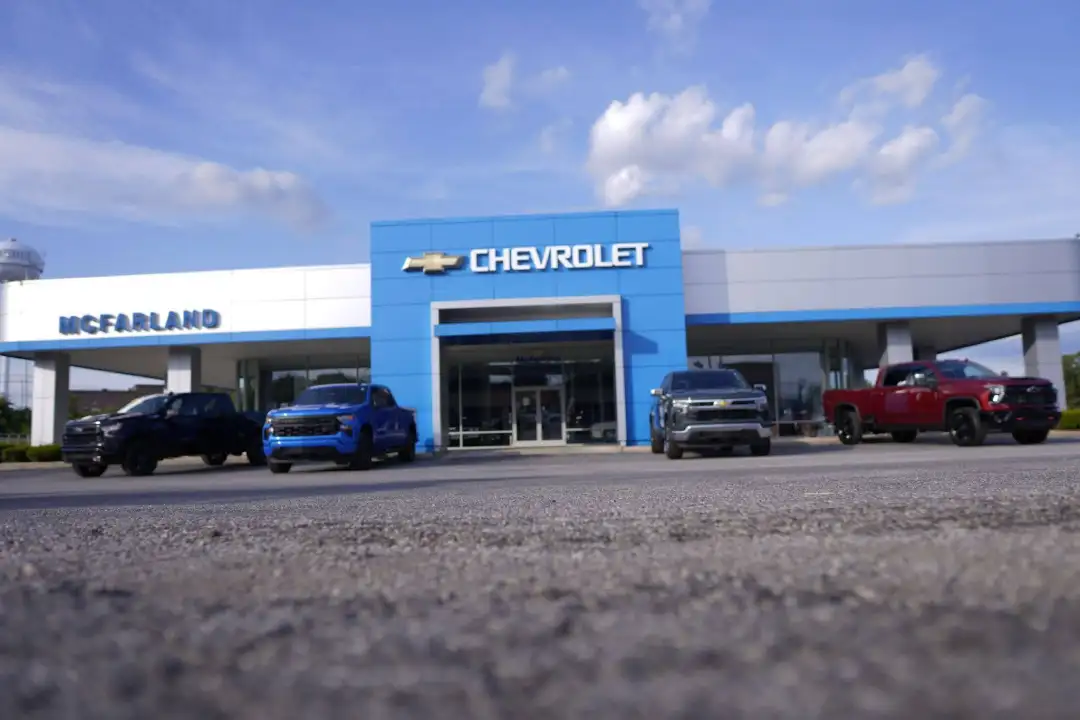
At McFarland Chevrolet in Maysville, KY, we have been family-owned since 1983. We sell to buyers from across Mason County and the surrounding region who made a choice to drive past bigger dealers to get here. This post covers exactly what they were looking for, and what you should look for too.
Does Someone Specific Answer for Every Deal?
The most important thing to look for in a small-town dealer is whether a real person with a real stake in the community is accountable for what happens there.
At a large chain store, the manager who approved your deal might be gone in six months. The salesperson who shook your hand might transfer to a different location. When something goes wrong, there is no single person who owns it. At a small-town dealer, that accountability is personal.
Look for an owner who is actually present
Brett McFarland has been the dealer principal at McFarland Chevrolet since 1983. His son Caleb handles inventory and operations. When a buyer has a concern, there is a family member on site who answers for it. That is not true at every dealership, but it is one of the clearest signs you are dealing with a place that plans to be here long-term.
Look for long-tenured staff
High staff turnover is a warning sign at any dealership. If a dealer cannot keep its people, ask why. A small-town dealer with familiar faces who have been there for years tells you something real about how that place is run. Brett McFarland says it plainly: “What makes us different is our people. We have a lot of local people who work here.”
Is it better to buy a car from a small dealership?
It depends on the dealer, not the size. A small dealership with an owner who is present, long-tenured staff, and a community reputation to protect can offer a better experience than a large chain. The key is looking for accountability: a real person whose name is on the building and whose neighbors are your neighbors.
Can a small car dealership be trusted?
Yes, and in many cases more so than a large one. A small-town dealer depends on word of mouth in a community where everyone knows everyone. One bad deal spreads fast. That pressure to protect the family name is a real accountability mechanism that does not exist in the same way at a national chain.
Does the Dealership Actually Service What It Sells?
A dealership that will sell you a vehicle but not properly service it is not a dealership worth buying from.
Service is where the long-term relationship is built or broken. The sale takes a day. The service relationship lasts as long as you own the vehicle. A small-town dealer with a strong service department with certified technicians, proper equipment, and Saturday hours is offering you something a lot of volume dealers cannot.
Certified technicians matter
McFarland uses GM-certified technicians and AC Delco parts on all Chevrolet and GM vehicles. That keeps factory warranty coverage intact. They are also ASE certified for all makes, which matters if you buy a used vehicle of another brand and still want factory-trained service.
Saturday service availability is rare and valuable
Most dealerships in this area are not open on Saturdays for service. McFarland is. For buyers who work Monday through Friday and cannot bring a vehicle in during the week, Saturday service is a practical difference that shows up every time you need an oil change.
Service history links to trade-in value
Buyers who service at McFarland have their full vehicle history on file. When it comes time to trade in, that documented record helps the appraiser give a stronger offer because the uncertainty about maintenance is removed. That is a direct financial benefit of staying with the dealer who sold you the vehicle.
Should I service my car at the dealership I bought it from?
For warranty-covered vehicles, dealer service with certified technicians and factory parts keeps your coverage intact. For older vehicles, dealer service means your history is on file, which works in your favor at trade-in time. If your dealer offers Saturday hours and competitive pricing, there is rarely a reason to go elsewhere.
Does a small dealership have good service?
Some do, some do not. Look for GM-certified or ASE-certified technicians, ask about parts sourcing, and check if the service department is open outside normal business hours. A small dealer with a strong service department is often more attentive than a high-volume chain where you are one of dozens of vehicles in the bay that day.
Is the Buying Process Transparent and Efficient?
A good small-town dealership should be able to complete your deal in under two hours when you come prepared. No four-hour marathon, no disappearing to the back office, no last-minute add-ons you never agreed to. Behind every efficient dealership is reliable IT services for Automotive, helping staff securely manage customer information, streamline inventory, and process transactions quickly so buyers enjoy a smoother purchasing experience.
Appraisals should be fast and firm
McFarland’s trade-in appraisal takes 15 to 20 minutes and the offer is firm. There is no lowball opener designed to be negotiated up later. The number you get at the end of the walk-around is the real number. That is not how every dealer operates, and asking directly how the appraisal process works before you walk in will tell you a lot.
Value and price are not the same thing
Caleb McFarland explains their approach: “When we say best deal, people think just price. But value is personal. It’s how you handle people, talk to people, trade values. The whole entire thing. We’re into protecting the customer the best we can.” A dealer that defines value as the total experience: fair price, good trade, honest financing, real service. That kind of dealer is worth doing business with.
How long should buying a car from a dealership take?
A prepared buyer at a well-run dealer should be able to complete the purchase in under two hours. If you bring your trade-in paperwork, know your budget, and have financing pre-arranged or are ready to discuss it, the process should not take all day. If a dealer is stretching the process past four hours, that is a tactic, not a requirement.
Is a small dealership more likely to negotiate?
Not necessarily more likely to negotiate, but more likely to give you a straight answer on pricing without running you through layers of management approval. At a family-owned dealer, the person you are talking to often has the authority to make the deal without a chain of sign-offs. That tends to make the process faster and more direct.
How Does the Dealer Handle Its Used Inventory?
Used vehicles tell you more about a small-town dealer’s standards than new vehicles do, because the dealer had a choice about what to put on the lot.
A new Chevrolet is a new Chevrolet regardless of where you buy it. A used vehicle, however, reflects exactly how selective the dealer was willing to be. Not every vehicle that comes through an auction or off a lease makes it onto a good dealer’s lot.
Ask how used vehicles are sourced and inspected
McFarland sources used inventory from lease turn-ins, auctions, and trades. Caleb McFarland personally vets the used vehicles before they are put on the lot. That means there is a specific person whose judgment and reputation is behind every used unit. Ask any small dealer who inspects their used vehicles and what they do when a vehicle does not pass.
A narrower used lot is not a bad sign
Some buyers interpret a small used inventory as a lack of options. At a selective dealer, it means fewer vehicles passed the standard. McFarland does not carry every trade-in that comes through. That selectivity is what makes the used vehicles on the lot worth trusting.
Is it safe to buy a used car from a small dealership?
It can be safer than buying from a large volume lot, as long as the dealer has a clear inspection process and stands behind what they sell. Ask for the inspection report and vehicle history report on any used vehicle. A dealer that cannot or will not produce both is a dealer to be cautious about.
What should I ask a small dealer about a used car?
Ask who inspected the vehicle, what the inspection covered, whether a vehicle history report is available, and whether any repairs were done before it went on the lot. If the dealer has a service department on site, ask if the vehicle was serviced there before sale. A dealer with documented answers to all of these questions is a dealer operating at a higher standard.
Is the Dealer Genuinely Part of the Community?
A small-town dealer that is genuinely invested in the community behaves differently from one that simply happens to be located in a small town.
The difference shows up in how they treat buyers who are not actively purchasing right now, how they show up at local events, and whether the people on staff are actually from the area. Community investment is not a marketing tactic. It is a constraint. A dealer that lives in the same community as its customers has to act right, because their reputation is built one conversation at a time.
Length of presence matters
McFarland has been in Maysville since 1983. Four generations of the same family. The dealership has outlasted recessions, market shifts, and the pressure to sell to a larger group. That kind of staying power does not happen by accident. It happens because the community kept coming back.
Local staff is a real differentiator
When your salesperson grew up in the same county you did, the conversation is different. Mark Porter, one of McFarland’s salespeople, describes what motivates him at work: “Seeing that single mom or dad who came in thinking they’d get an 80,000-mile, 10-year-old vehicle and instead they leave with something newer, something they can depend on. That’s the most rewarding part.” That is a different orientation than a salesperson working toward a monthly quota at a chain store.
Why should I buy from a local dealership instead of a big one?
A local dealer has a community reputation to protect. They are more likely to be honest about pricing, transparent about trade-in values, and invested in the after-sale service relationship because their next customer might be your neighbor. You also get easier access to the people who made the decisions when something needs to be resolved.
Is buying local worth it for a car?
Yes, when the local dealer meets the right standards. Buying local means your service relationship is convenient, your purchase supports a business that employs people in your community, and you have a direct line to people whose reputation depends on treating you right. The question is not whether local is better in theory. It is whether the specific local dealer earns your business.
What McFarland Chevrolet Looks Like Against This Standard
McFarland Chevrolet in Maysville, KY has been family-owned since 1983, now in its fourth generation with Brett and Caleb McFarland.
Accountability: owner-operated for 40-plus years
Brett McFarland opened the Maysville store in August 1983. He became one of the youngest Chevrolet dealers in America at the time. He has been here every year since. Caleb joined the fourth generation. When you have a question or a concern, you are talking to family.
Service: certified, Saturday, all makes
GM-certified technicians, AC Delco parts, open Saturdays. ASE certified for all makes, which means buyers of any brand can service here. Every oil change includes a tire rotation, all fluid checks, and a complimentary car wash.
Buying process: under two hours when you come prepared
Most deals at McFarland are completed in under two hours. Trade-in appraisals take 15 to 20 minutes. The offer is firm. The process is not designed to wear you down.
Used inventory: hand-selected, personally vetted
Caleb McFarland personally evaluates every used vehicle before it goes on the lot. The most-requested used trucks are the 2020 to 2022 Silverado LT and RST. Not every vehicle that comes in makes the cut.
Ready for Your Next Step?
If you are still deciding whether McFarland is the right fit for your next vehicle, come in and see for yourself. Most buyers make up their minds in the first conversation. Call us at (606) 564-6181.
Also helpful:
Why buyers drive to Maysville from Northern Kentucky
How to get top dollar for your trade-in
Used truck inspection checklist
Service department
0 comment(s) so far on What to Look for in a Small-Town Car Dealership