

Veteran to Sales: Transition FAQ
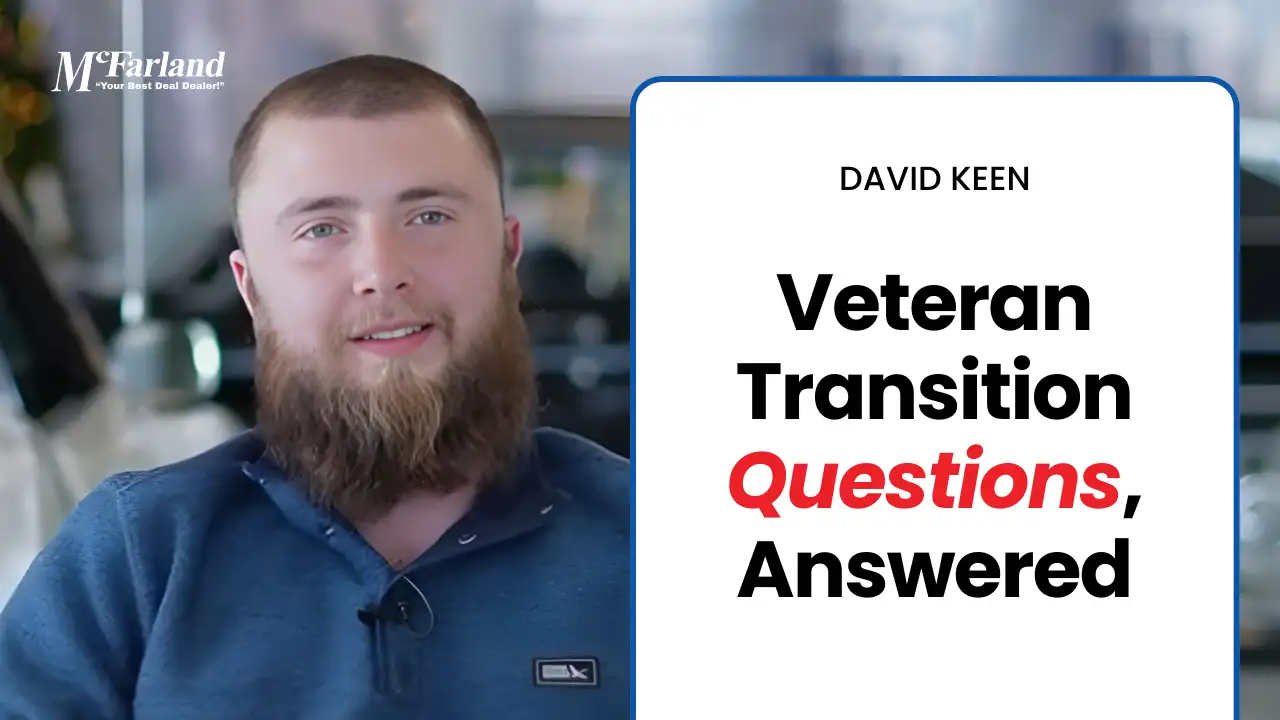
Shifting from military service to civilian work can feel like starting over. Marine veteran David Keen explains why service skills don’t always map cleanly to job postings and how a sales role creates clear accountability, faster feedback, and real opportunity. He also shares how to build a personal brand through everyday community presence conversations at the gym, in the store, around town and why visibility plus consistency earns trust before the transaction. For veterans and career changers, the playbook is simple: reframe your value in civilian language, pick a role with a clear scoreboard, and show up where your neighbors are. The answers below distill David’s lived perspective into practical next steps.
Why is military transition difficult?
Short answer: Skills don’t map cleanly to civilian jobs.
Long answer: Civilian job descriptions often prioritize one-to-one experience over transferable traits. David describes applying widely and hearing that his Marine Corps background didn’t fit posted roles, despite discipline and leadership. The fix is translation: describe outcomes in civilian terms and target roles where results are visible, so your value isn’t lost in acronyms or unfamiliar titles.
Why choose sales after service?
Short answer: Clear accountability and opportunity.
Long answer: David wanted a lane where personal performance drives advancement. In sales, if he hits the mark, he moves forward; if not, the responsibility is his. That direct feedback mirrors the pace veterans know, turning consistency, composure, and work ethic into visible results and income upside.
What mindset shift is required?
Short answer: From team results to individual results.
Long answer: Military culture spreads accountability across the unit. In sales, your outcomes are exposed. David embraced that ownership: if he doesn’t sell, no one else pays the price he does. That clarity accelerates learning and turns habits into measurable progress.
What is personal branding?
Short answer: How people know and trust you.
Long answer: Branding is simply being known for helpfulness and follow-through. David treats himself as a business: he dresses professionally, maintains courtesies, and makes himself visible with useful information. Over time, neighbors associate his name with answers, not pressure. That trust shortens the path from first conversation to first appointment.
How does community help sales?
Short answer: Trust is built before transactions.
Long answer: David starts conversations where people already gather the gym sauna, Walmart, around town offering help and inviting questions. Sharing what he’s learning about vehicles turns small talk into service. The relationship often begins weeks before a purchase, which makes the eventual sale feel natural, not forced.
Do veterans start from zero?
Short answer: Often, yes.
Long answer: David describes “restarting” after leaving the Marines new town, young family, limited civilian experience, and employers offering entry wages. Accepting that reset helps you focus on roles where your output matters more than your resume, then stack wins quickly through activity and visible results.
Is discipline still useful?
Short answer: Absolutely.
Long answer: The military toolkit punctuality, preparation, respect for systems translates directly to consistent prospecting, product study, and follow-up. David channels early-morning routines into learning inventory, contacting customers, and staying calm under pressure. Those habits compound into appointments and deliveries.
Can branding replace prospecting?
Short answer: It supports and strengthens it.
Long answer: Branding earns attention; prospecting converts it. David mixes visibility with direct outreach: daily conversations, invitations to visit, and helpful follow-ups. Documenting what you learn creates reasons to reconnect. Branding warms the room, but consistent, respectful asks still move deals forward.
Who benefits from this approach?
Short answer: Veterans and career changers.
Long answer: Anyone shifting industries can use the same framework: translate your value, pick a role with a clear scoreboard, and show up where your future customers are. Community presence plus ownership accelerates trust and shortens the time to results.
Who should veterans talk to?
Short answer: David Keen at McFarland Chevy.
Long answer: David can outline how he reframed his experience, where he focuses daily effort, and how to build momentum in a new market. He’s approachable, honest about the reset, and willing to share what’s working so others can adapt it to their own path.
Conclusion
Transition is less about starting over and more about relaunching with clearer ownership. Translate your story into civilian language, pick a role that rewards consistency, and make yourself useful in the places your neighbors already are. That’s how trust becomes opportunity.
Contact Us
Talk with David Keen at McFarland Chevrolet for a quick needs assessment and test drive tailored to your budget, towing, and comfort goals. Call (606) 721-0406 or visit today.
0 comment(s) so far on Veteran to Sales: Transition FAQ