

Prepare Your Used Vehicle for the Winter
The first winter for your used car means a bit of extra car care on your part. This is because with a vehicle you purchased new, you have a good idea of the age of all the vehicle components, whether they date back to assembly, or you replaced them yourself. A used vehicle, on the other hand, may require replacing certain worn components, and you may not always know how old they are. There is also the general factor that things are more likely to break or need replacement on an older vehicle. McFarland Chevrolet offers these few tips.
Heater and Defroster
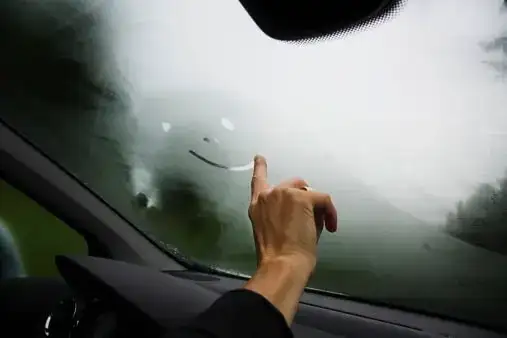
It is reasonable to assert that as temperatures near the thirties, the functionality of your heating system becomes essential. While a car heater is generally dependable, it is advisable to verify its operation prior to the exigencies of cold weather. Paradoxically, the air conditioning system also requires proper maintenance, as it is used to eliminate condensation from the windshield. If the air conditioning system has been underperforming since summer, it is recommended to have it inspected before the winter season.
Check Your Car Battery
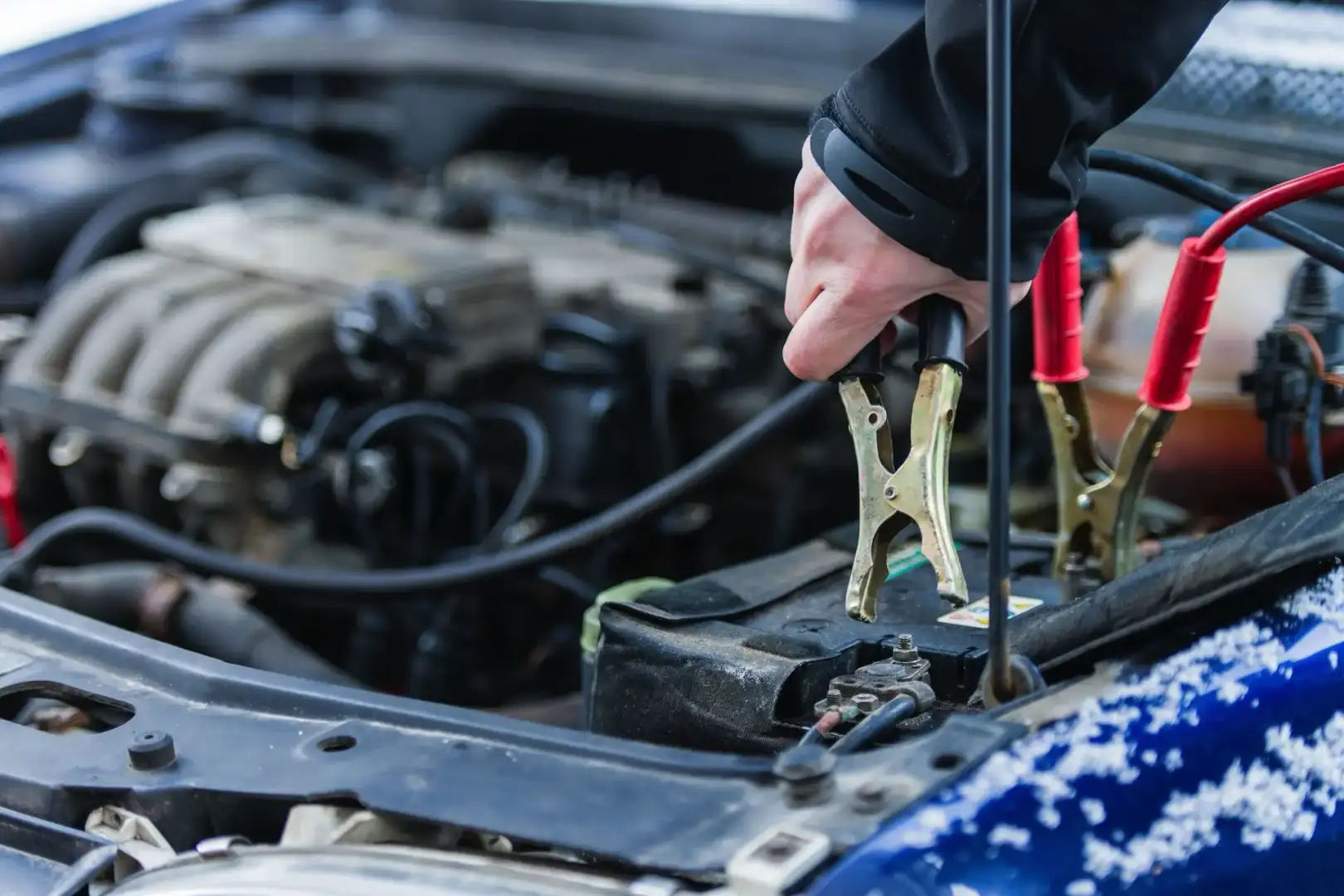
Your car battery is the most temperature-sensitive item in your vehicle. When it gets cold, the chemical reactions that produce direct current slow down, making your engine rely more on the battery to start. If your battery is old and weaker, cold temperatures in the 30s or below could lead to failure, which is, of course, the worst time for it to stop working. The McFarland Chevrolet Service Department can perform a load test to assess the health of your battery. They will also inspect for cracked or corroded cables and terminals.
Replace Windshield Wipers & Fluid
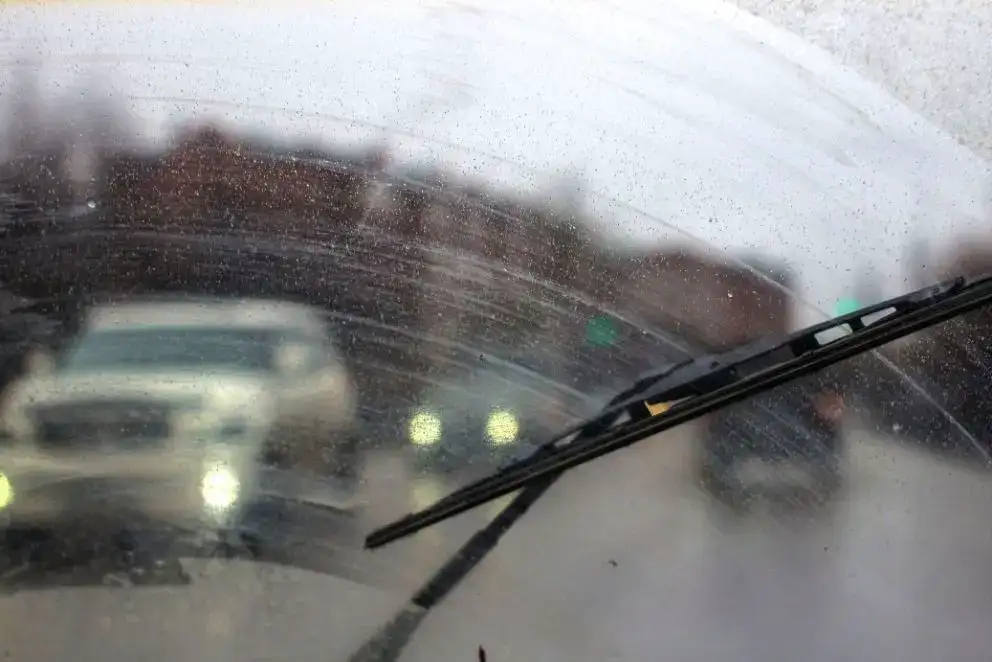
Colder weather hardens flexible materials, reducing the effectiveness of your wipers. If your wipers haven’t been replaced recently, autumn is the ideal time to do so. If you miss that window, replace them in early winter. Use freeze-resistant wiper fluid to clear light frost from your windshield each morning. Lastly, locate your ice scraper and keep it within easy reach.
Your Tire Pressure Will Drop
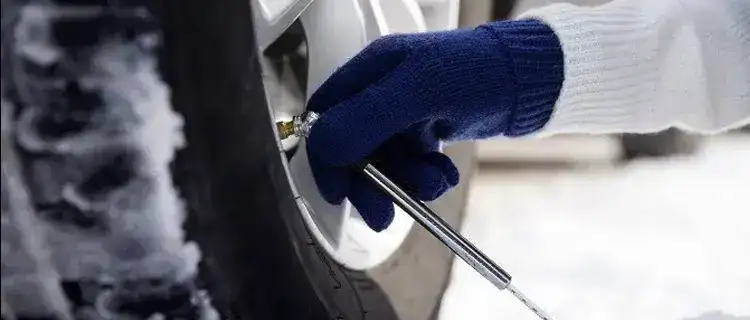
Your tire pressure decreases by roughly one PSI for every 10-degree temperature drop. This can lead to a drop of five or more PSI from that late Indian Summer to the first major cold front. Many tire pressure monitoring systems (TPMS) will alert you if one tire drops about four PSI below the others, but since a temperature change affects all four tires fairly equally, the TPMS might not detect it. It’s advisable to check your tire pressure about once a month and compare it to the recommended pressure. Remember, the correct pressure is indicated on the driver’s door jamb, not on the tire itself, and it will be specific to your vehicle model.
Swapping to Winter Tires, Or At Least Having the Tires Inspected
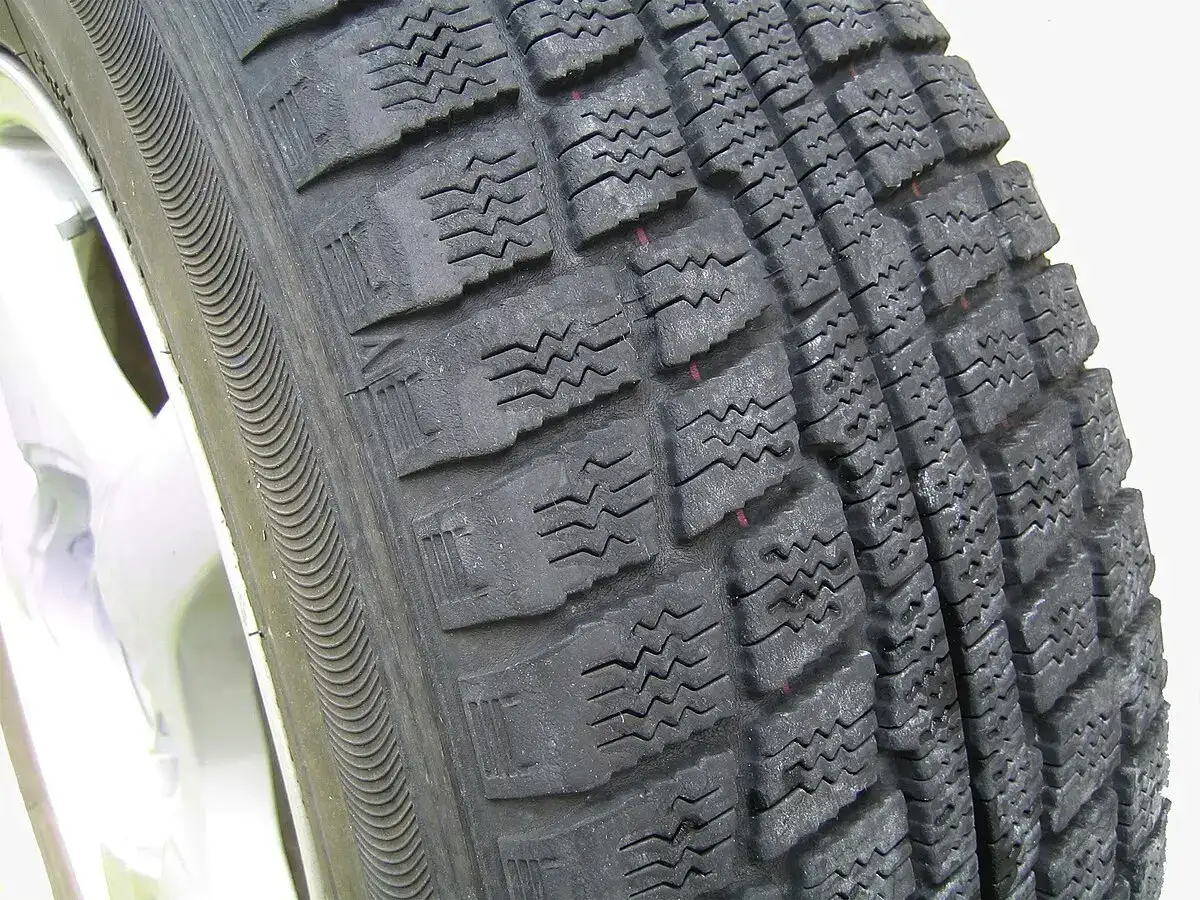
Northern Kentucky is on the border of needing winter tires, but it’s worth considering. Like windshield wipers, colder temperatures cause tire rubber to harden, reducing traction. That’s why winter tires are recommended—they remain flexible in cold weather and feature tread patterns specifically designed for snow. This advantage applies even to AWD and 4WD vehicles. Additionally, since unused tires don’t wear out, you’re not actually spending more on tires. Instead, you’re investing in longer-lasting sets, as both will last longer by being used only part of the year.
If you don’t swap to winter tires, it’s highly recommended that you examine your existing tires for tread life, uneven wear, and cupping. Also, check the sidewalls for cuts and nicks, as these could worsen as the tire compound hardens. This would be a good time to rotate your tires if that hasn’t been done recently.
Change Your Oil
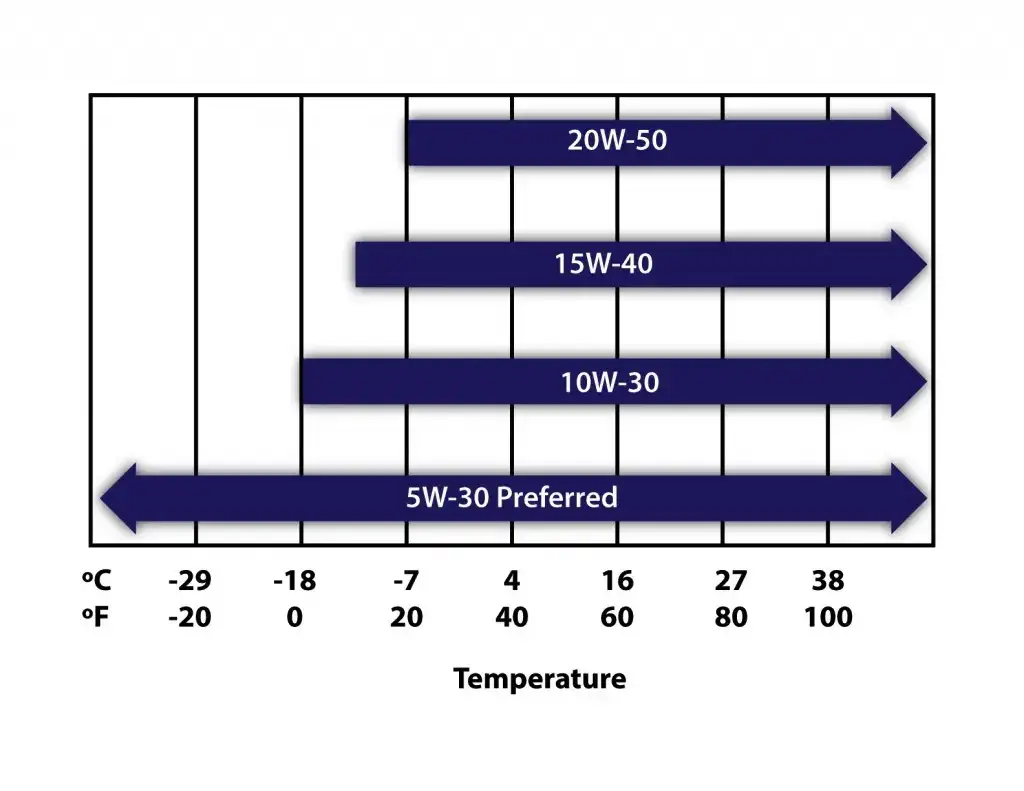
Cold weather causes motor oil to thicken, decreasing its circulation efficiency in the engine. Older oil tends to thicken faster, so it’s important to use fresh oil to ensure your car operates smoothly. Check your owner’s manual for a chart that indicates the recommended oil weight according to the expected outdoor temperatures during winter.
Inspect Belts and Hoses
As mentioned, colder temperatures make any pliable material more rigid; therefore, items that require flexibility, such as belts and hoses, should be checked. If cracks are present, replace them immediately. They will worsen in cold weather, which could impair your vehicle’s operation.
Have An Emergency Kit in Your Car
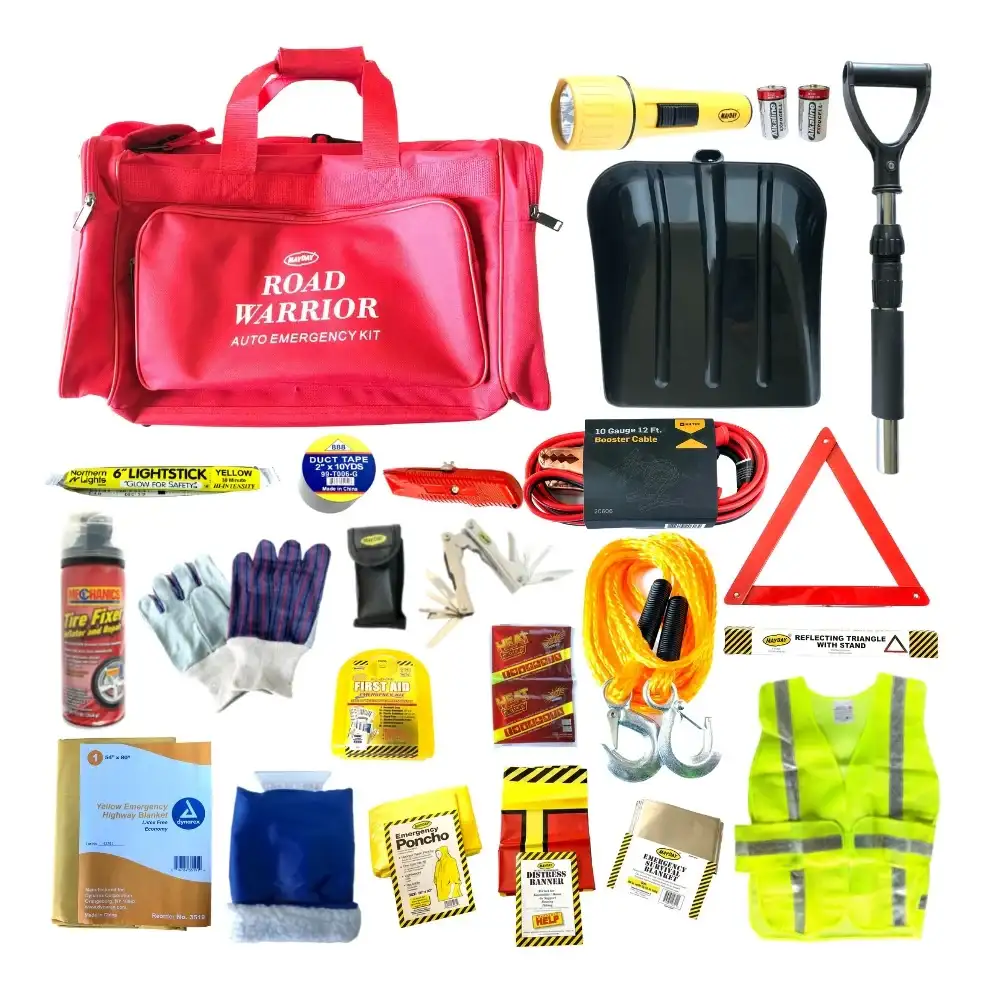
It’s wise to keep an emergency kit in your car year-round. Include items such as flares, work gloves, a first-aid kit, a separate flashlight (to conserve your phone’s battery in emergencies), and tools if you’re handy. For long trips or holidays, consider adding a shovel and some kitty litter or sand for traction in case you get stuck. Also, pack blankets, water, and emergency food for extended trips in cold weather, in case you’re stranded.
Highways will be more treacherous, especially during winter storms that can create slicker road conditions and reduce visibility. Remember, it may not be your car that leaves you stuck, but an incident a few miles ahead on the interstate can leave you stuck for hours. So be prepared.
Let Us Help You
Most of these maintenance tasks you can do yourself, but for those needing special equipment—like battery checks and tire rotations—or any service you’d prefer professionals handle, schedule a visit to the McFarland Chevrolet Service Department, which can perform all these tasks efficiently and at a reasonable cost.
0 comment(s) so far on Prepare Your Used Vehicle for the Winter