

The Chevy Silverado Maintenance Mistake That Costs Thousands
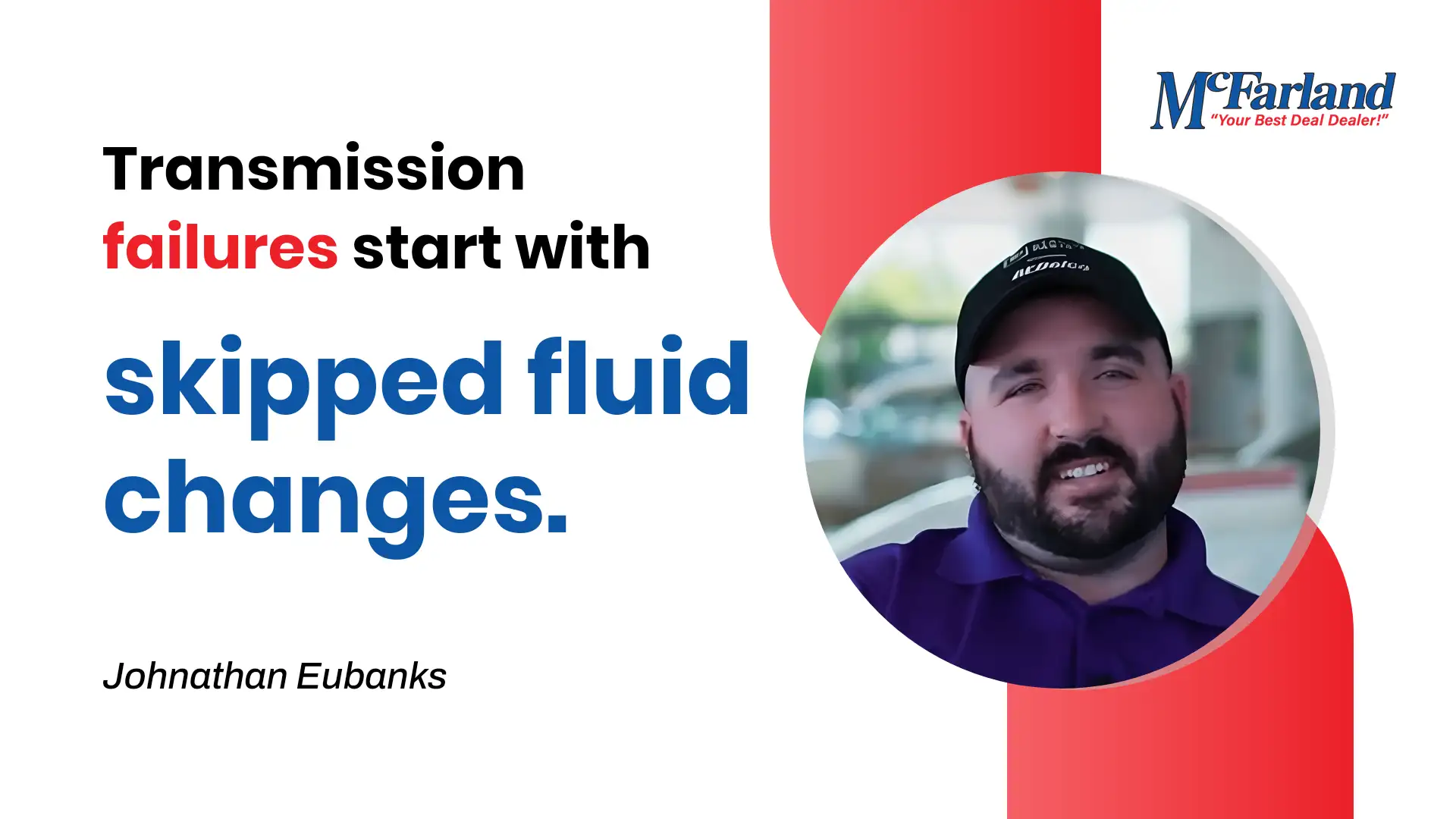
Many Silverado owners proudly say they “keep up with oil changes,” but Service Manager Johnathan Eubanks warns that’s only a slice of proper maintenance. The most expensive failures he sees come from neglected fluids—especially transmission, transfer case, and differentials—plus skipped brake and coolant services. He recommends starting transmission service around 30,000 miles for trucks that tow and keeping driveline fluids fresh every 45,000–50,000 miles, sooner if you’re regularly pulling heavy loads. When these items are ignored, fluid turns black and burnt, and components wear prematurely—often showing up around the 100,000-mile mark with repair bills in the thousands. For Workhorse Farmers who depend on their truck and can’t afford downtime, preventative maintenance is the cheapest insurance you can buy.
Key Points

Oil changes are just the start
“Oil every 5,000” is good—but far from complete maintenance.


Transmission fluid is critical by 30K–50K miles
Start around 30K for trucks that tow; then every ~30K thereafter.

Driveline fluids matter
Transfer case and rear-end fluids should be changed every 45K–50K miles; sooner if towing heavy.

Neglect gets expensive
Too often, fluid shows up “black, burnt, full of metal”—a recipe for failure around the 100K mark.
“And with most cases, they just don’t change the fluid out. It’s black, burnt, full of metal because they don’t take care of it properly, mostly because people don’t know to do it.”
The Problem: “I Change My Oil… Isn’t That Enough?”
Ask around any farm auction and you’ll hear it: “I take great care of my truck—I change the oil every 5,000 miles.” Johnathan Eubanks nods, but then adds the part many owners miss: that’s just a small slice of proper maintenance. He sees it every week—good people doing oil changes but skipping the services that actually keep a Silverado alive under load: transmission fluid, brake fluid, coolant, and more.
Workhorse Farmers have clear priorities: haul reliably, hit 200K+ miles, and minimize downtime. Neglected fluids cut against all three, turning today’s savings into tomorrow’s tow bill.
The Big Three: Transmission, Brakes, Coolant
Johnathan’s rule of thumb is simple: if it’s a fluid that carries heat or pressure, it has a service interval. For transmissions, he advises beginning service around 30,000 miles—especially if you’re towing—and then about every 30,000 miles thereafter. Why? Heat and weight. Silverados are heavy, and adding a loaded trailer only amplifies the stress; fresh fluid preserves clutches and valves that keep shifts crisp.
Brake fluid is another “out of sight, out of mind” item. It absorbs moisture over time, and when fluid boils under a heavy stop with a loaded trailer, pedal feel and stopping power suffer. Coolant is equally vital: its job is to transfer heat and prevent freezing. Johnathan’s team checks antifreeze protection at every oil change so small issues don’t become cracked components in winter.
Don’t Forget the Driveline: Transfer Case & Differentials
The unsung heroes are the transfer case and rear differential(s). These parts are literally turning every mile, yet many owners forget they even exist until they whine or fail. Johnathan recommends changing those fluids every 45,000–50,000 miles—and if you’re actively towing 10,000 pounds or working the truck hard, shorten that interval to around 30,000 miles (roughly every two years for many drivers).
Proof from the Shop: Burnt Fluid = Big Bills
Ask a service manager what really kills trucks and you’ll hear the same theme: heat, weight, and old fluid. Johnathan says the most common big-ticket failures he sees are transmissions that run long past their first service. Often this shows up a little after 100,000 miles—the fluid comes out black, burnt, and full of metal because the service was never done. That neglect quietly chews up expensive internals until one day the truck won’t pull, shift, or back a trailer up the barn drive.
A Simple Plan for Workhorse Farmers
Your truck is your livelihood. Here’s a plainspoken schedule aligned to how farmers actually use a Silverado:
- Every oil change: Inspect coolant protection level; basic safety checks.
- Every ~30,000 miles (sooner if towing): Start transmission services; repeat roughly every 30K.
- Every 45,000–50,000 miles: Change transfer case and rear differential fluids; shorten to ~30K if you tow heavy routinely.
- Brake system: Don’t skip fluid exchanges and quality pads/parts; they protect your stopping power and your wallet.
Follow this and you’ll do what the Workhorse Farmer persona values most: keep the truck hauling, push past 200K miles, and avoid repair downtime during harvest.
FAQs
Isn’t 5,000-mile oil change “good enough” maintenance?
It’s necessary but incomplete. Johnathan calls oil changes “a small sliver” of proper care; the big failures he sees come from skipped transmission, coolant, brake, and driveline services.
When should I service the transmission on a Silverado that tows?
Begin around 30,000 miles if you tow, and plan on about every 30,000 miles thereafter. Heavy trucks plus heavy trailers create heat that breaks fluid down faster.
How often should I change transfer case and differential fluids?
Every 45,000–50,000 miles is a solid baseline. If you routinely pull 10,000 pounds or work the truck hard, shorten that to ~30,000 miles (about two years).
What happens if I skip these services?
Shifting issues and outright failures become more likely. Johnathan routinely sees fluid that’s “black, burnt, full of metal” when service is skipped—often showing up around or after 100K miles.
I can’t afford downtime. How does this help?
Preventative service aligns with Workhorse Farmer goals: haul reliably, reach 200K+ miles, and avoid repair delays that cost you workdays.
Contact Us Today
Schedule your Silverado service and get your trade-in value instantly. Keep your truck earning with a maintenance plan built for Workhorse Farmers.
0 comment(s) so far on The Chevy Silverado Maintenance Mistake That Costs Thousands