

Chevrolet Tahoe vs. Toyota Sequoia
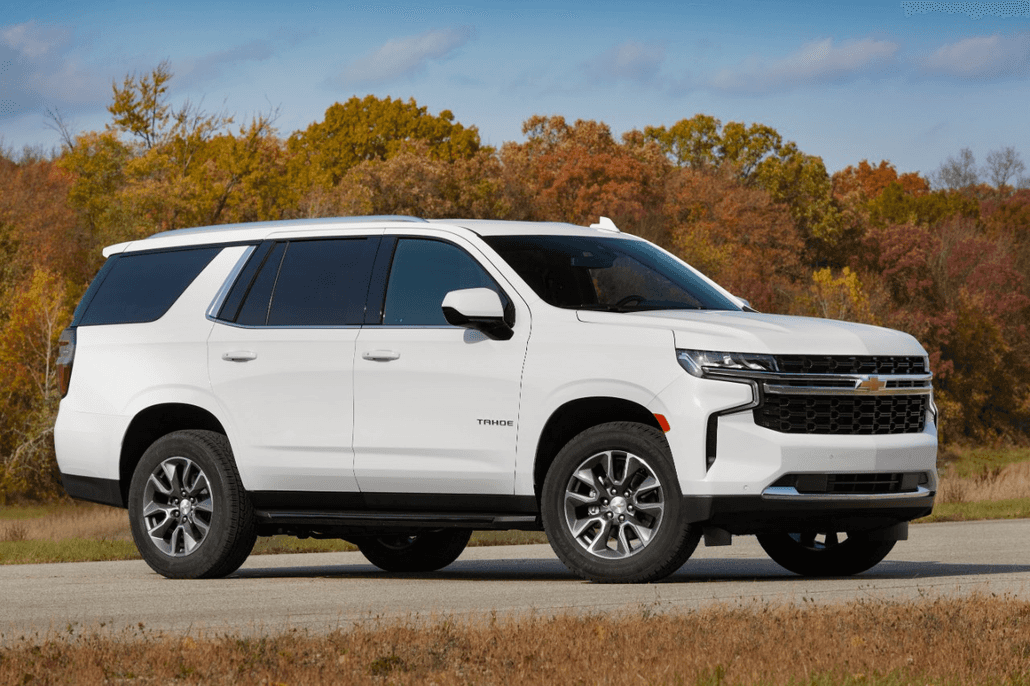
When Toyota redesigned the 2023 Sequoia, it was clearly targeting the Chevrolet Tahoe. Both SUVs are large 3-row SUVs built on their respective brands’ full-size truck platforms. Both have rear-wheel drive, and 4-wheel drive is an option, though the engines differ more than before. McFarland Chevrolet compares these two people haulers.
The Tahoe model line consists of six grades with an MSRP range starting at $58,195 (including destination fees) for the LS and climbing to $76,900 for the starting price of the High Country. Prices include destination fees. The Sequoia price range is a bit higher, starting at $63,125 for the SR5 and working through five grades to the Capstone, which starts at $80,115. On the entry-level side, the SR5 starts out with a few extra features to the point that the Tahoe LT would be the most comparable model. Luxury features abound at the top end of the range for both.
Powertrain
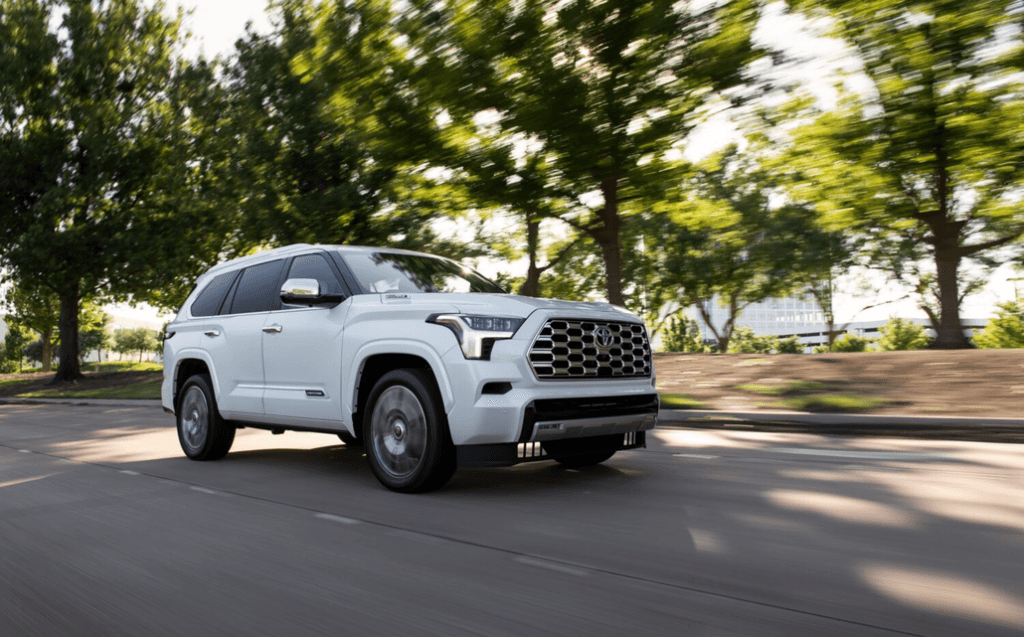
The Sequoia’s one-size-fits-all powertrain is a 3.5-liter twin-turbo V6 hybrid that produces 437 horsepower and 583 lb-ft of torque. It is combined with a 10-speed automatic. EPA mpg estimates are 21 in the city, 24 on the highway, and 22 combined for rear-wheel-drive models (RWD). The four-wheel drive (4WD) $3,000 option drops each figure by two mpg to 19/22/20.
In contrast, the Tahoe has three engine choices across the model line, with each trim level offering a selection of at least two. The standard engine for all but the High Country is a 5.3-liter V8 producing 355 hp and 383 lb-ft of torque. EPA estimates are 15 / 20 /17 for both RWD and 4WD models. Like the Sequoia, all Tahoe models have a 10-speed automatic. The Sequoia has an advantage in power and efficiency, but the Tahoe counters by offering the 3.0-liter Duramax turbodiesel V6 as a $995 option on all models except the off-road-focused Z71. The Duramax produces 277 hp and 460 lb-ft of torque, with a low torque peak at a low 1,500 rpm. The Duramax gets the same EPA 21 city mpg figure as the Sequoia but provides four more miles per gallon on the highway. The 6.2-liter V8 is standard on the High Country and available on the next three highest trims. It produces 420 hp and 460 lb-ft of torque.
Chassis
The Tahoe boasts a four-wheel independent suspension, which offers an impressively smooth highway ride and improved agility. The Sequoia features a double-wishbone suspension up front but retains a solid axle in the rear. Both model lines offer air suspension on upper grades. The Tahoe is also available with magnetic ride control dampers on upper trims, smoothing the ride even further, and an air suspension is also available on upper models.
Size
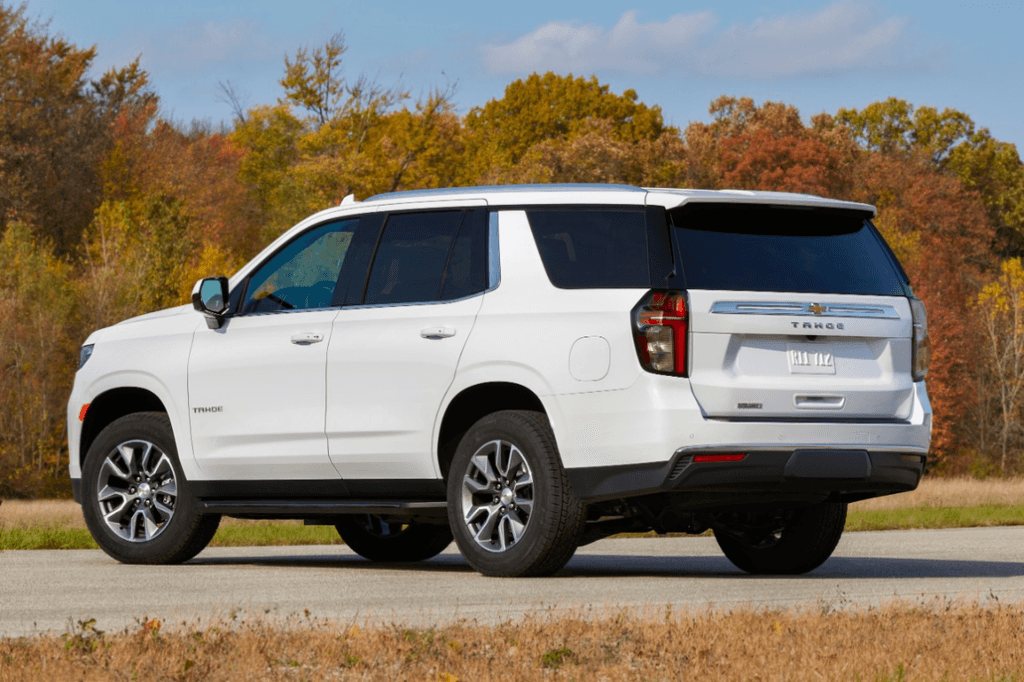
This is a primary reason to select a full-size SUV, and it is where the Tahoe shines. It trades exterior dimensions with the Sequoia by having an inch shorter wheelbase (120.9 vs. 122.0 inches) but two and a half inches more overall length (210.7 vs. 208.1). The big difference is in the cabin, where the Tahoe has more legroom for all three rows (1st: 45 vs. 41, 2nd: 39 vs. 38, 3rd: 35 vs. 34) as well as headroom (1st: 42 vs. 39, 2nd: 39 vs. 38, 3rd: 38 vs. 36). For shoulder room, the Tahoe has more for the first two rows (1st: 66 vs. 65, 2nd: 65 vs. 62) while the Sequoia has an inch more for the 3rd row (62 vs 63). In standard form, both models seat eight, though the Tahoe can be ordered with a front bench seat, increasing the maximum seating capacity to nine. Both can be ordered with 2nd-row captain’s chairs, which brings the capacity to seven.
When looking at cargo figures, you question if the two models are in the same class. In full cargo mode with both 3rd- and 2nd-row seatbacks down, the Tahoe can claim 123 cubic feet of space compared to 87 for the Sequoia. With 2nd-row seats occupied, the figures remain lopsided with 73 cubic feet for the Tahoe vs. 49 for the Sequoia. Cargo space behind the 3rd row appears much closer at a glance, with the Tahoe having 26 cubic feet to the Sequoia’s 22. However, the Sequoia’s 3rd-row seat pretty much has to slide fully to the rear to accommodate anyone larger than grade school children, leaving just 11 cubic feet behind the seat.
Towing
The Sequoia has an impressive maximum towing capacity of 9,520, which exceeds the Tahoe’s maximum of 8,400 pounds. Both models offer a Hitch View from the rear camera and a Tow/Haul driving mode to adjust throttle response and transmission logic automatically. The Tahoe offers other significant trailering technologies that make towing easier, including Hitch Guidance and Trailer Side Blind Spot, which can display an extended blind spot section that includes both the Tahoe and trailer. Also available is a trailer integration app that can monitor multiple trailer status features such as lights, water levels, generator status, and even slide-out status on compatible travel trailers.
Cabin Technology
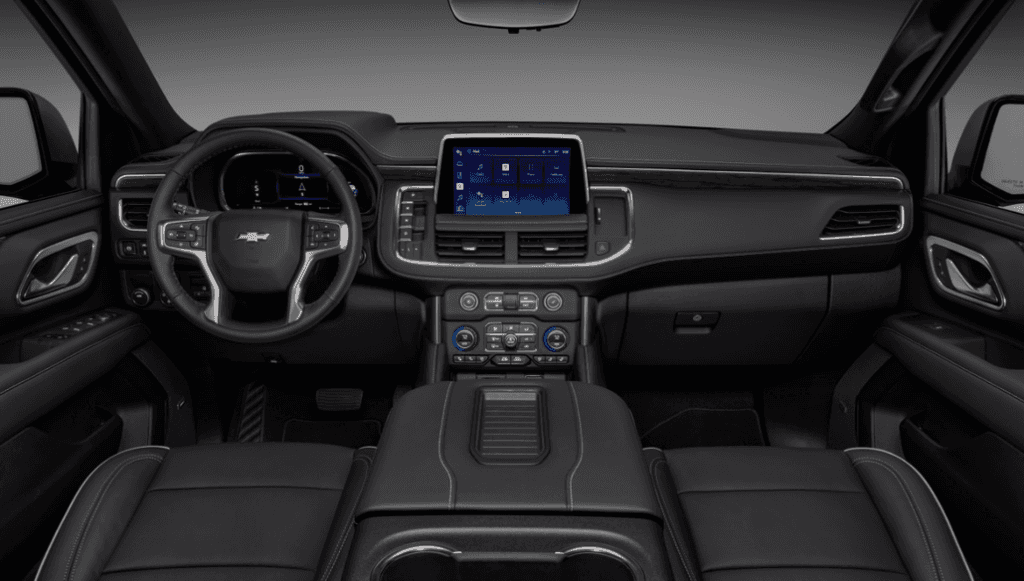
Both entry-level models have an 8-inch touchscreen, but the price-comparable Tahoe LT upgrades to a 10-inch display. Wireless smartphone compatibility is standard on both models, as is keyless start, 8-way power front seats, and tri-zone climate control. As you move up the model hierarchy, you are likely to find what you want in the way of convenience features in either model, except that only the Tahoe is available with the true hand-free driving technology of Super Cruise.
The Sequoia’s hybrid drivetrain is strong, but the model simply does not have the cabin and cargo space, smooth-riding suspension, or towing sophistication you want in a full-size SUV, and that is how the Tahoe comes out ahead. Visit McFarland Chevrolet to see all the Tahoe has to offer for yourself.
0 comment(s) so far on Chevrolet Tahoe vs. Toyota Sequoia